
15+ Best Product Hunt Alternatives for Launching Your Product
Product Hunt is great, but it's not the only game in town. Whether you're a solo founder, indie hacker, or startup team, there are plenty of other platforms where you can launch your product and get real traction. Here's a comprehensive breakdown of the best alternatives.
Why Look Beyond Product Hunt?
Product Hunt remains one of the most popular launch platforms, but it has some real drawbacks for smaller products. Daily launches mean fierce competition. Your product could get buried within hours if it doesn't gain immediate traction. The platform has also become increasingly dominated by well-funded startups with large followings, making it harder for indie makers to stand out.
Diversifying your launch strategy across multiple platforms gives you more shots at finding your audience. Different platforms attract different communities, and your product might resonate better on a niche platform than on a general one.
1. TinyLaunchpad
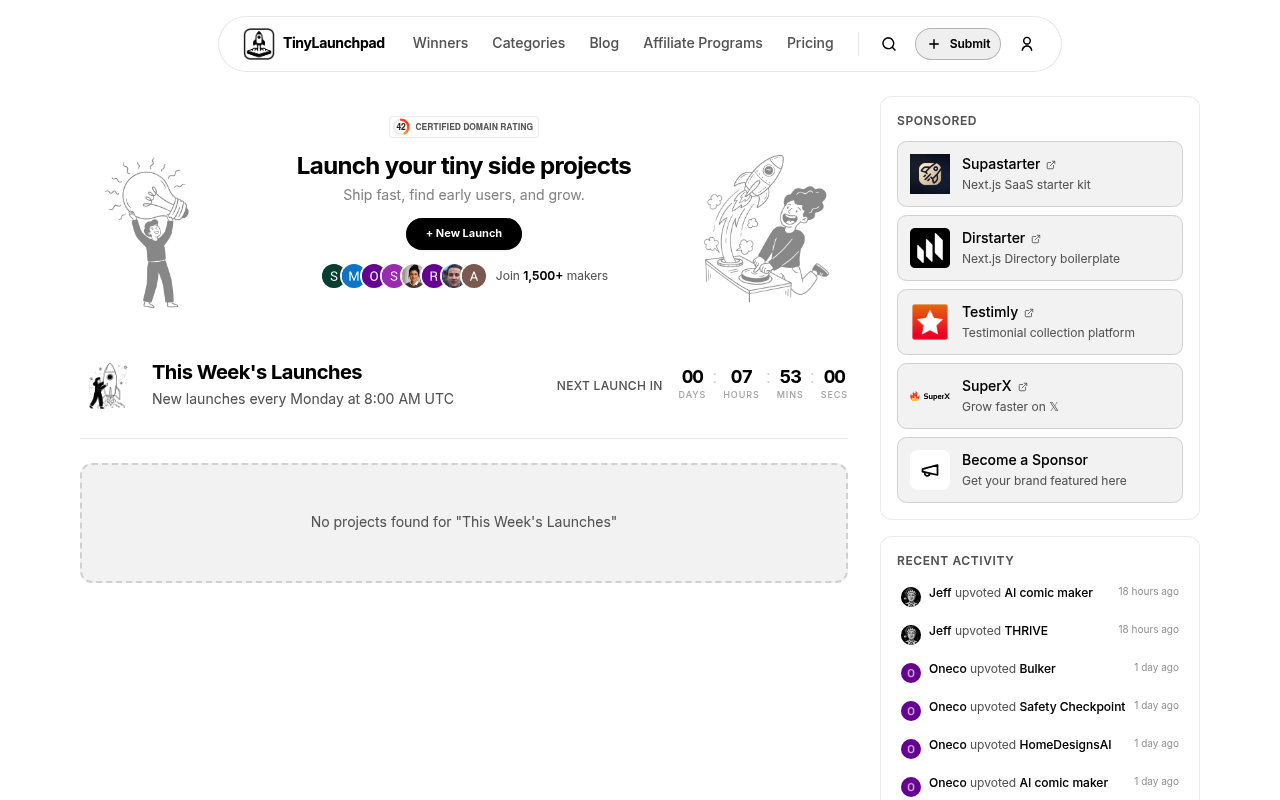
Weekly launch platform designed for indie makers and solo founders. Launches go live every Monday at 8 AM UTC, giving each product a full week of visibility instead of getting buried in hours.
Pros
- Weekly cadence means less competition per launch
- Dofollow backlinks for winners (great for SEO)
- Affordable pricing tiers for solo founders
- Winner badges add credibility
Cons
- Smaller audience than Product Hunt (but growing fast)
- Weekly schedule means you wait for Monday
Pricing: Free tier available. Premium from $29.
Best for: Indie hackers, solo founders, and side projects that want real visibility without getting drowned out.
2. BetaList
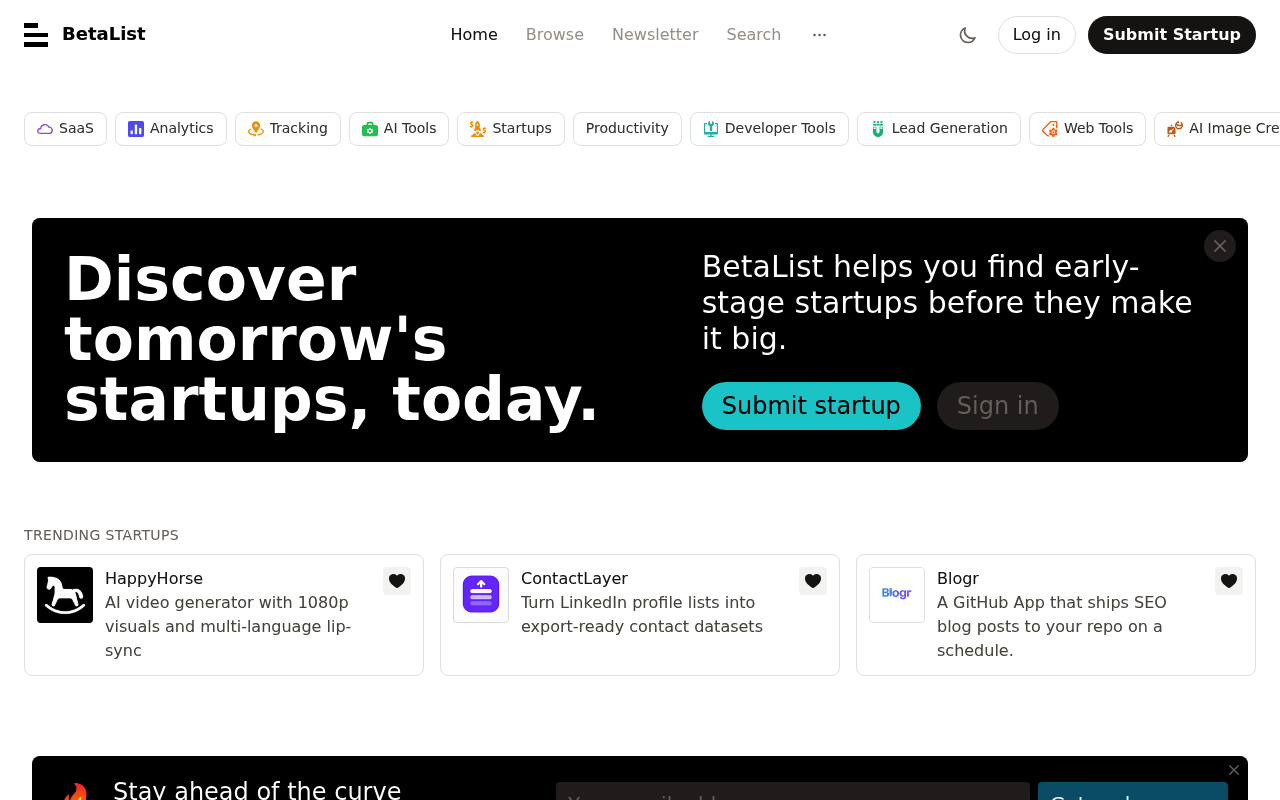
One of the oldest startup directories. Focuses on early-stage startups looking for beta testers and early adopters.
Pros
- Strong community of early adopters
- Good for pre-launch signups
- Established brand and audience
Cons
- Paid submissions can be pricey
- Long queue times for free submissions
- Less relevant for launched products
Pricing: Free (long wait) or $129+ for fast-track.
Best for: Pre-launch startups looking for beta testers.
3. Hacker News (Show HN)
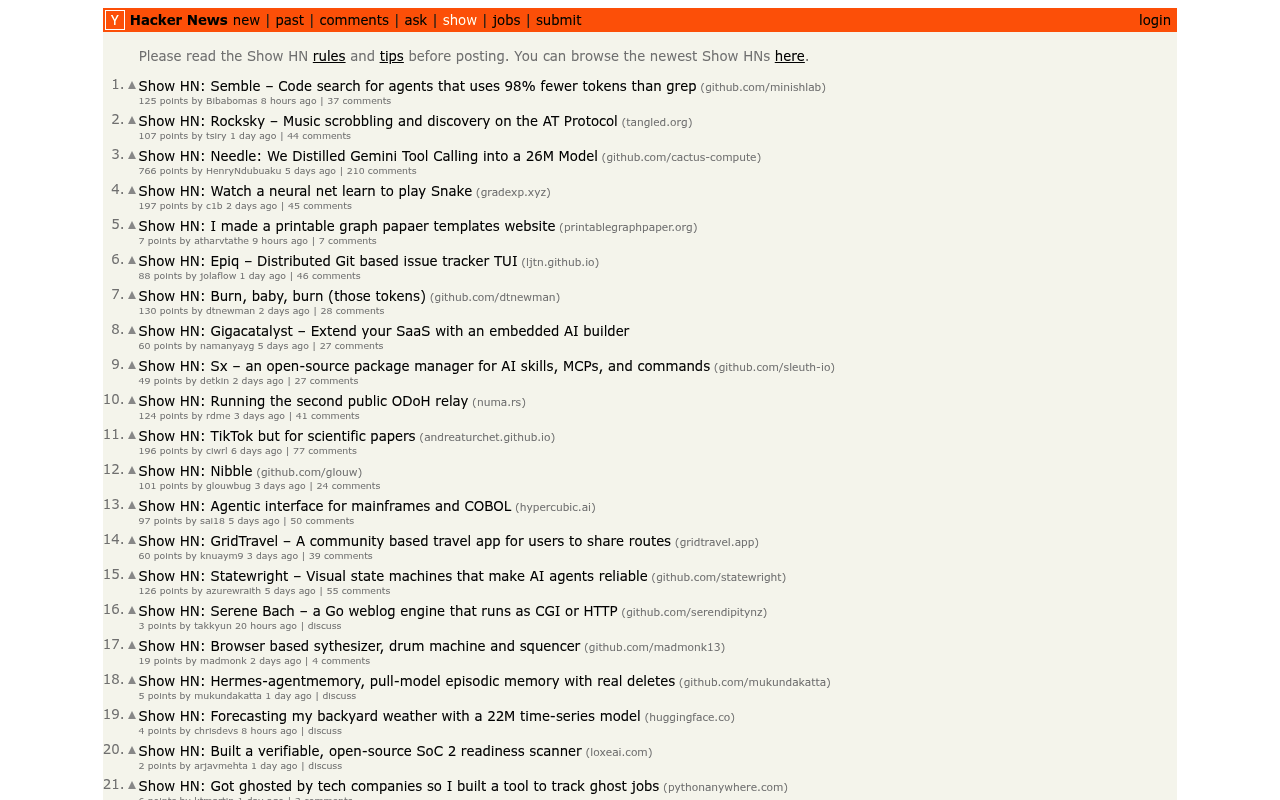
The tech community's go-to forum. Show HN posts can drive massive traffic if your product resonates with the developer-heavy audience.
Pros
- Huge, engaged technical audience
- Completely free to post
- Can drive enormous traffic spikes
Cons
- Unpredictable: posts can get buried in minutes
- Audience can be harsh and opinionated
- Not great for non-technical products
Pricing: Free.
Best for: Developer tools, open-source projects, and technically interesting products.
4. Indie Hackers
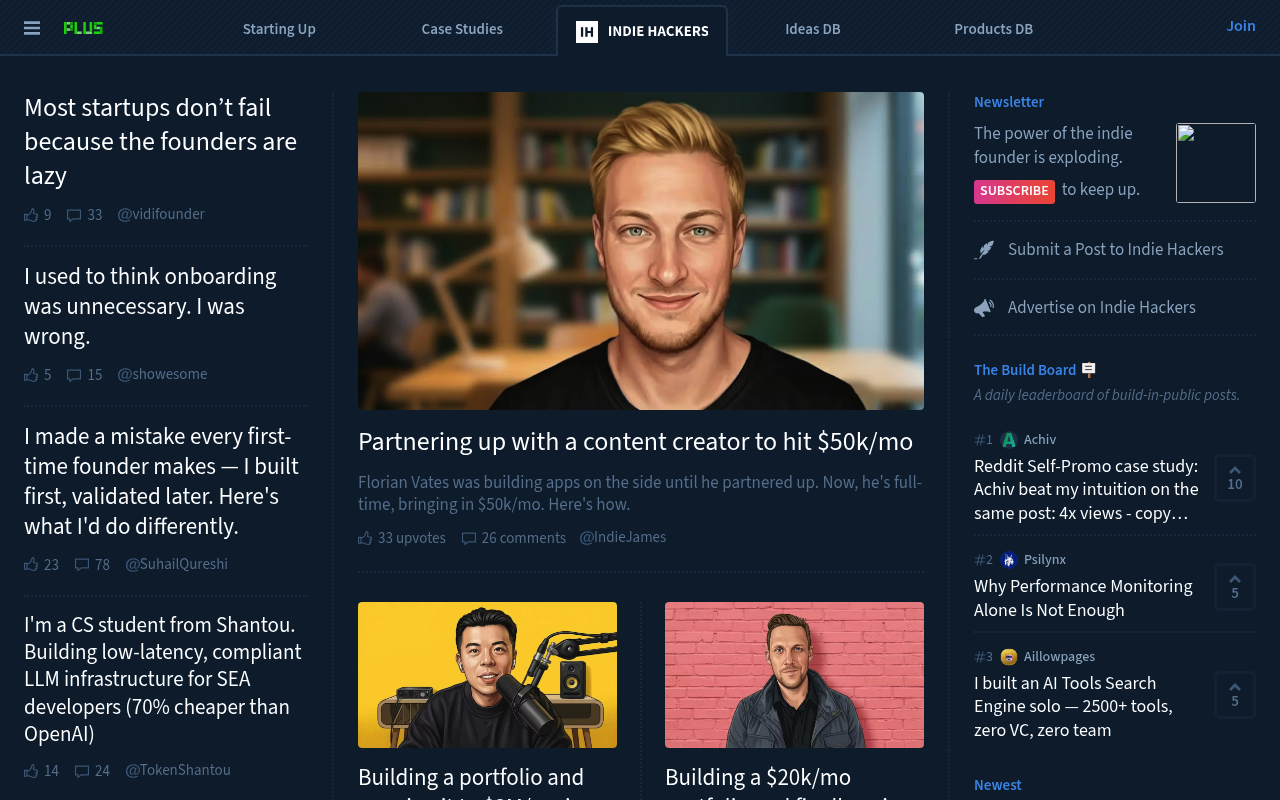
Community of indie founders sharing their journeys. Great for building relationships and getting feedback, less of a traditional launch platform.
Pros
- Supportive community of makers
- Good for long-term relationship building
- Revenue-focused discussions
Cons
- Not a launch platform per se
- Traffic is smaller than PH
- More community than discovery tool
Pricing: Free.
Best for: Founders who want community feedback and want to share their building journey.
5. SaaSBison
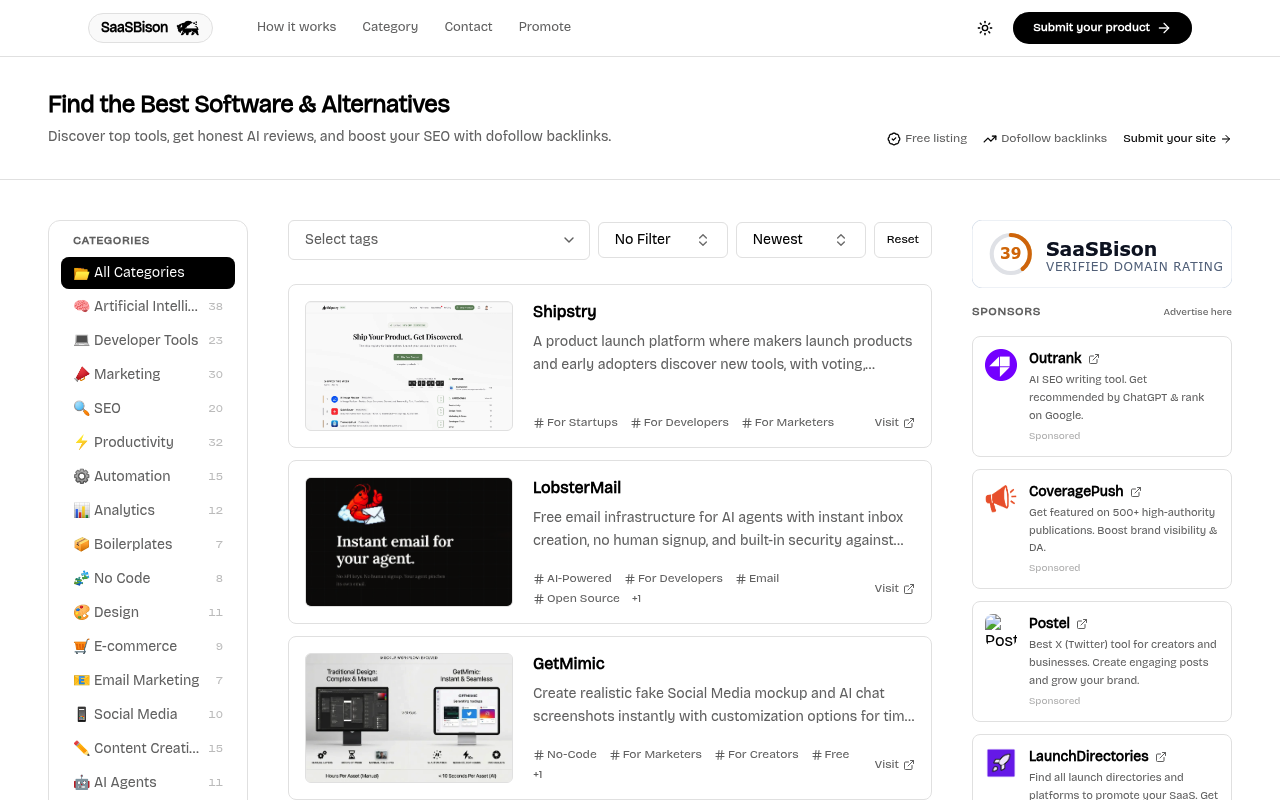
One of the top software directories for SaaS products. Helps startups get discovered through curated listings and category-based browsing.
Pros
- High-quality, curated directory
- Good for SaaS discovery
- Growing authority in the startup space
Cons
- Focused primarily on SaaS products
- Smaller audience than general platforms
- Newer compared to some alternatives
Pricing: Free and paid tiers.
Best for: SaaS startups looking to get listed on a curated software directory.
6. SaaSHub
One of the top software directories and comparison platforms. Lists alternatives to popular tools, which drives evergreen search traffic to listed products.
Pros
- Evergreen SEO traffic from comparison searches
- Dofollow backlinks
- Large existing database of products
Cons
- Not a launch event, more of a listing
- Takes time to rank in their system
- Focused on SaaS, less useful for other product types
Pricing: Free to list.
Best for: SaaS products that want evergreen visibility and SEO benefits.
7. AlternativeTo
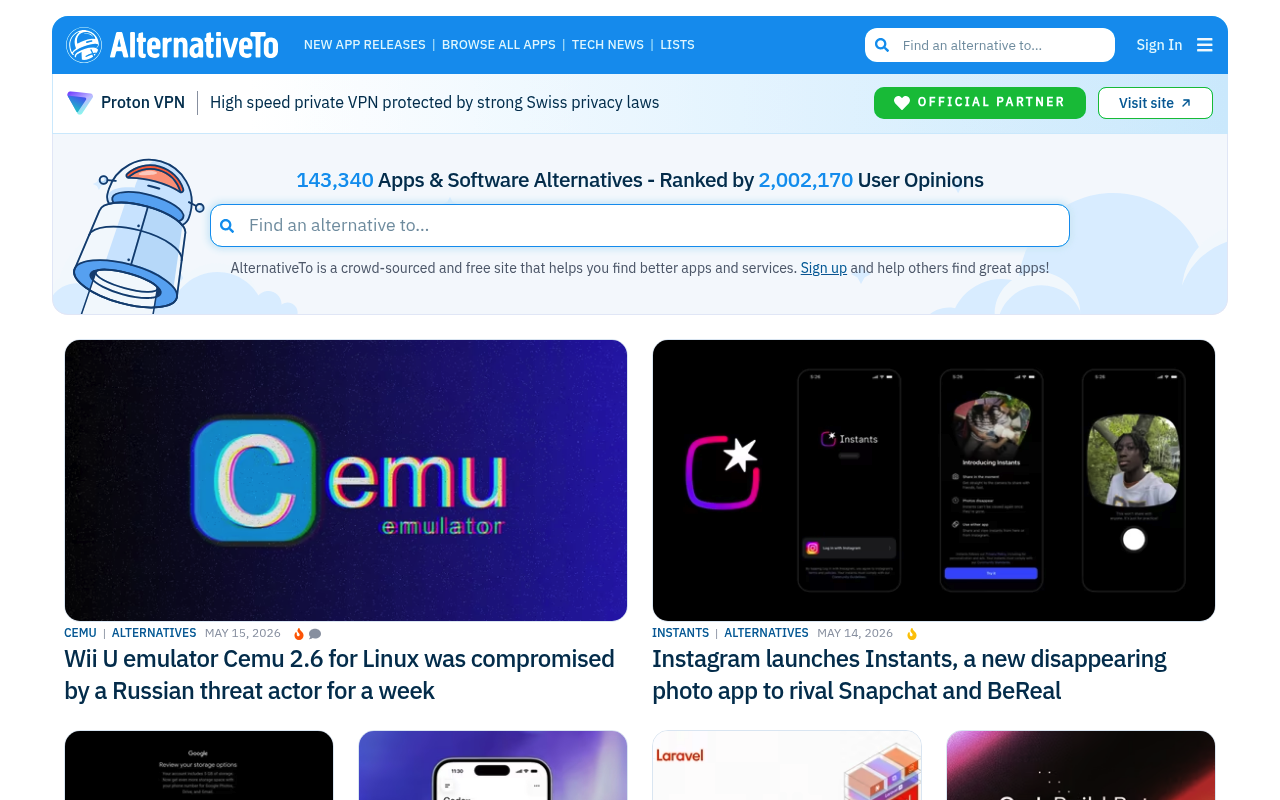
Crowdsourced software recommendation platform where users suggest alternatives to popular apps.
Pros
- Massive organic traffic from Google
- Evergreen listing
- Users actively looking for solutions
Cons
- No launch event or community upvoting
- You're positioned as an alternative, not a leader
- Limited control over your listing
Pricing: Free to list.
Best for: Products that are clear alternatives to established software.
8. Uneed
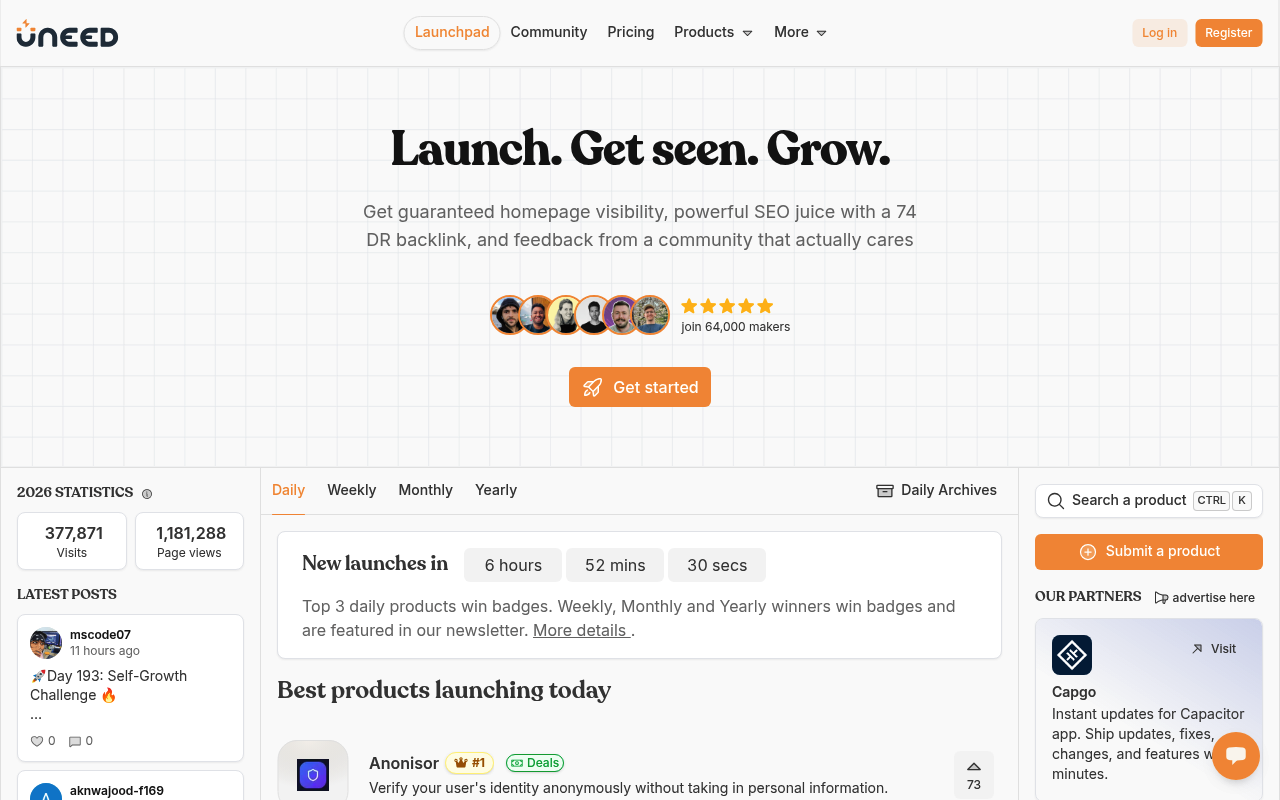
Curated directory of the best tools on the internet. Features a clean design and focuses on quality over quantity.
Pros
- Curated, so being listed is a quality signal
- Clean, modern design
- Growing indie maker audience
Cons
- Smaller audience
- Curation means not everyone gets listed
- Newer platform
Pricing: Free and paid options.
Best for: Quality products that want to be part of a curated collection.
9. DevHunt
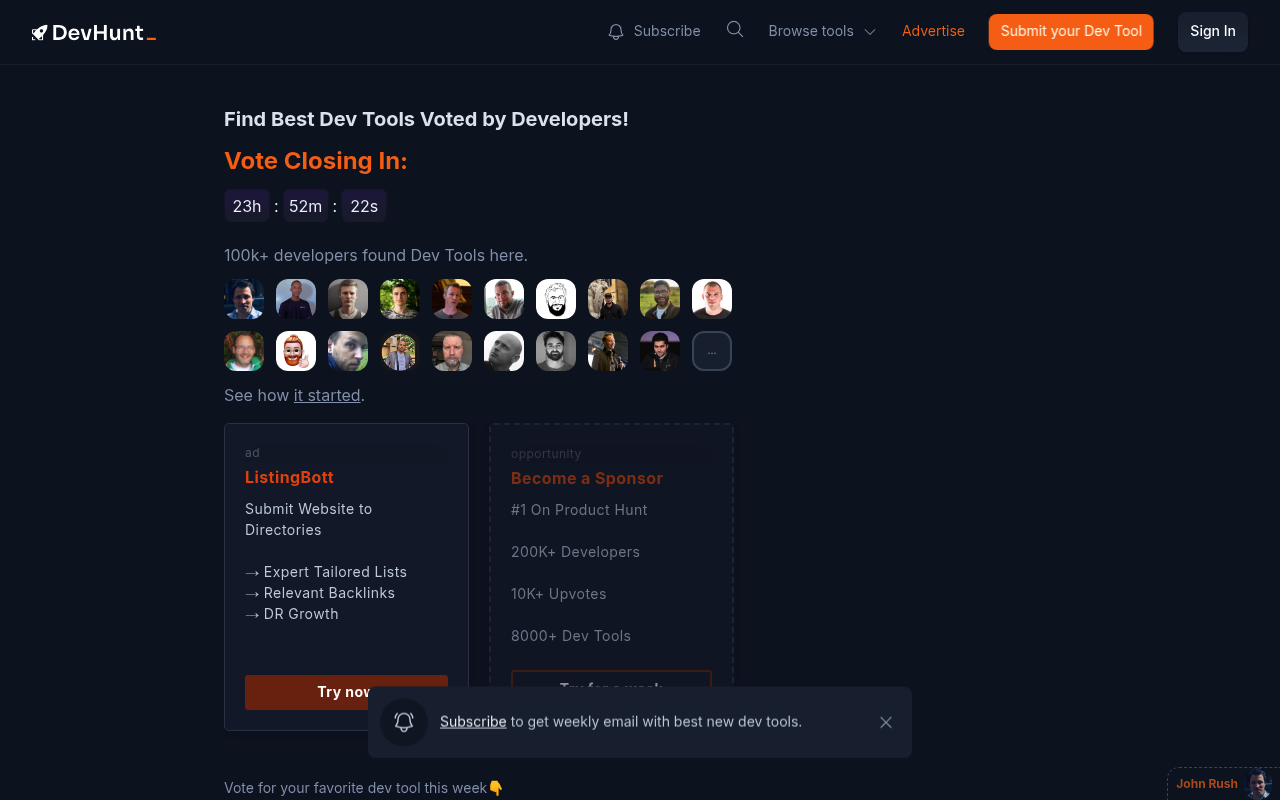
Product Hunt-style launch platform specifically for developer tools. Open-source and community-driven.
Pros
- Focused developer audience
- Open-source platform
- GitHub integration
Cons
- Only for developer tools
- Smaller audience
- Less established
Pricing: Free.
Best for: Developer tools and open-source projects.
10. MicroLaunch
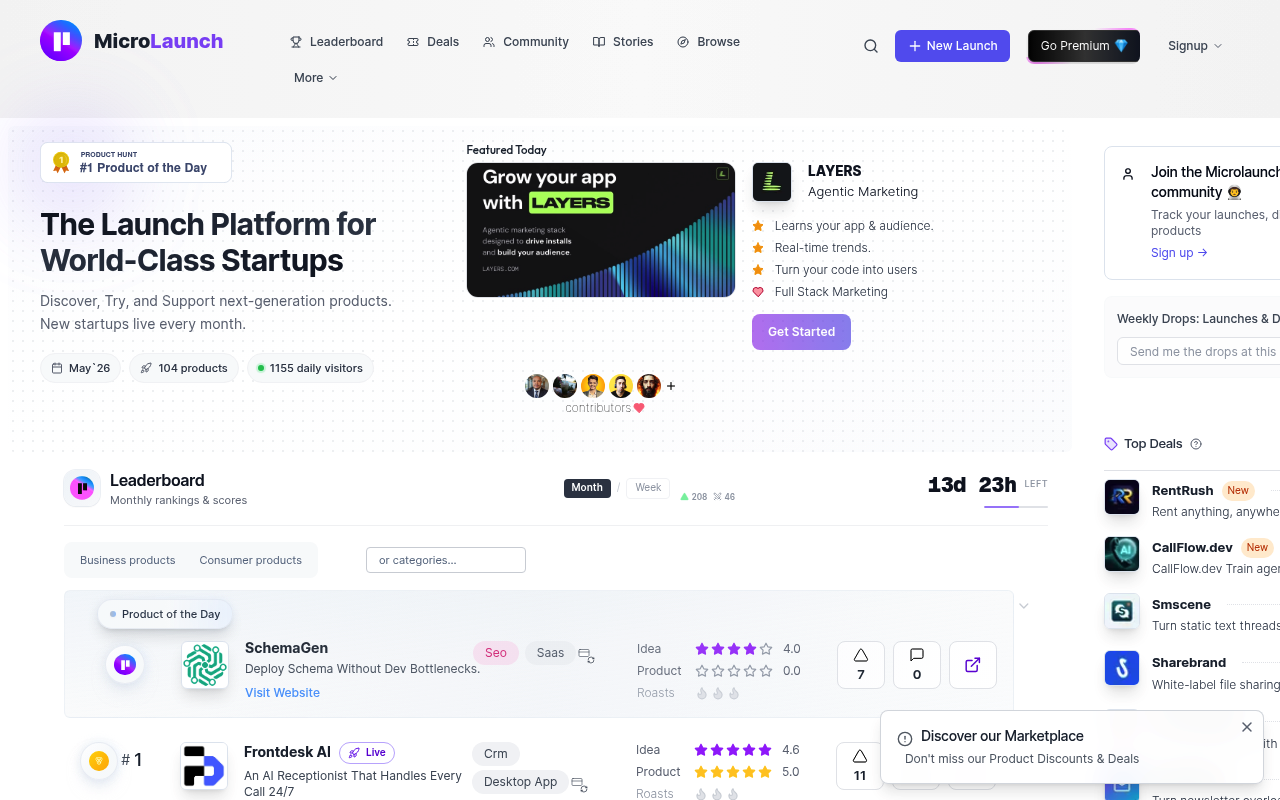
Launch platform focused on micro-SaaS and small products. Designed for solo founders who want a no-fuss launch experience.
Pros
- Focused on small products
- Simple submission process
- Supportive community
Cons
- Small audience
- Limited reach
- Newer platform
Pricing: Free and paid tiers.
Best for: Micro-SaaS products and MVPs.
11. Reddit
Subreddits like r/SideProject, r/startups, r/InternetIsBeautiful, and r/SaaS can drive targeted traffic if you share authentically.
Pros
- Massive, diverse audience
- Highly targeted subreddits
- Free to post
Cons
- Self-promotion is frowned upon, so you must add value
- Can be unpredictable
- Comments can be brutal
Pricing: Free.
Best for: Founders who can share their story authentically without being salesy.
12. Twitter / X
Building in public and launching on Twitter/X can drive significant traffic if you've built an audience. Many successful indie launches happen here first.
Pros
- Direct access to tech and startup community
- Build in public generates organic reach
- Real-time engagement and feedback
Cons
- Need an existing audience for impact
- Algorithm-dependent visibility
- Noisy and easy to get lost
Pricing: Free.
Best for: Founders who have been building in public and have a Twitter following.
13. AppSumo
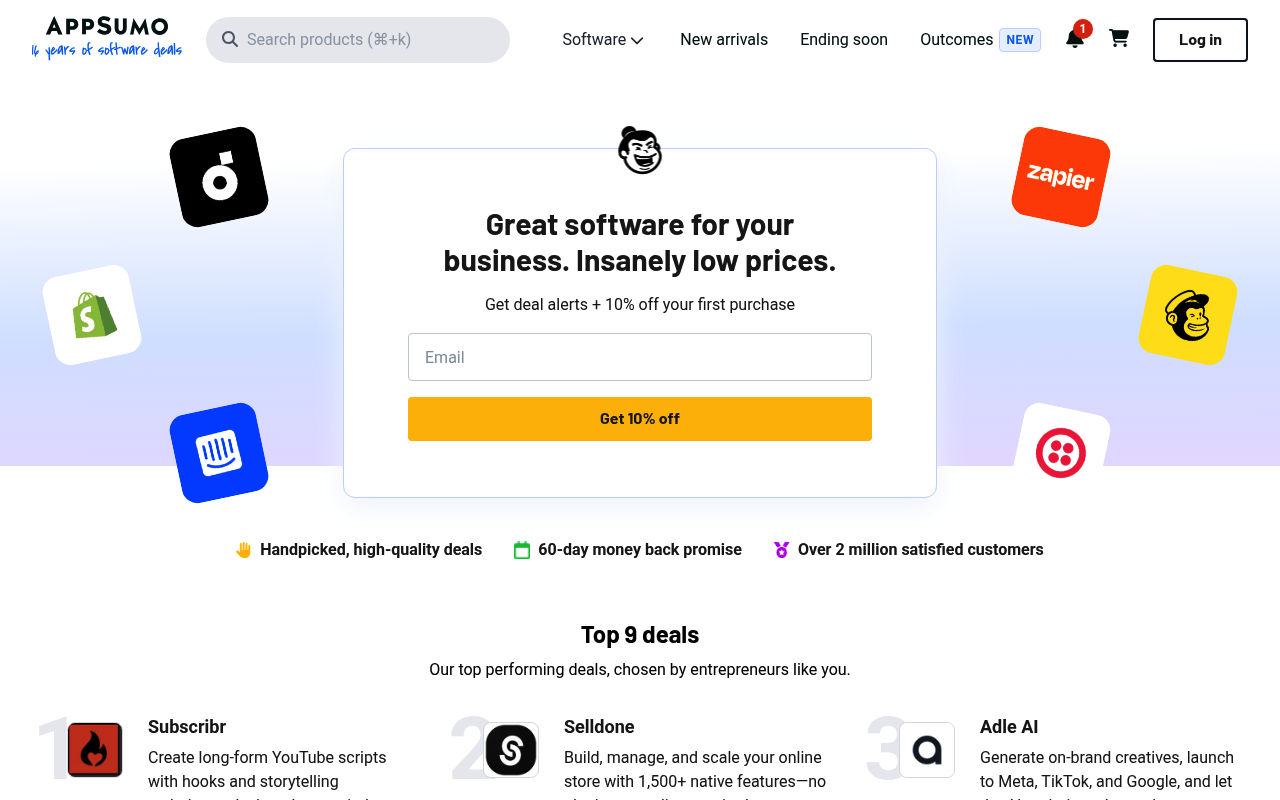
Marketplace for software deals. Not a launch platform exactly, but listing a lifetime deal on AppSumo can generate significant revenue and users.
Pros
- Huge buyer audience
- Can generate significant revenue fast
- AppSumo handles marketing
Cons
- Lifetime deals can undervalue your product
- AppSumo takes a large revenue cut
- Attracts deal-seekers, not always ideal customers
Pricing: Revenue share model.
Best for: SaaS products ready to offer a lifetime deal for user acquisition.
14. Futurepedia
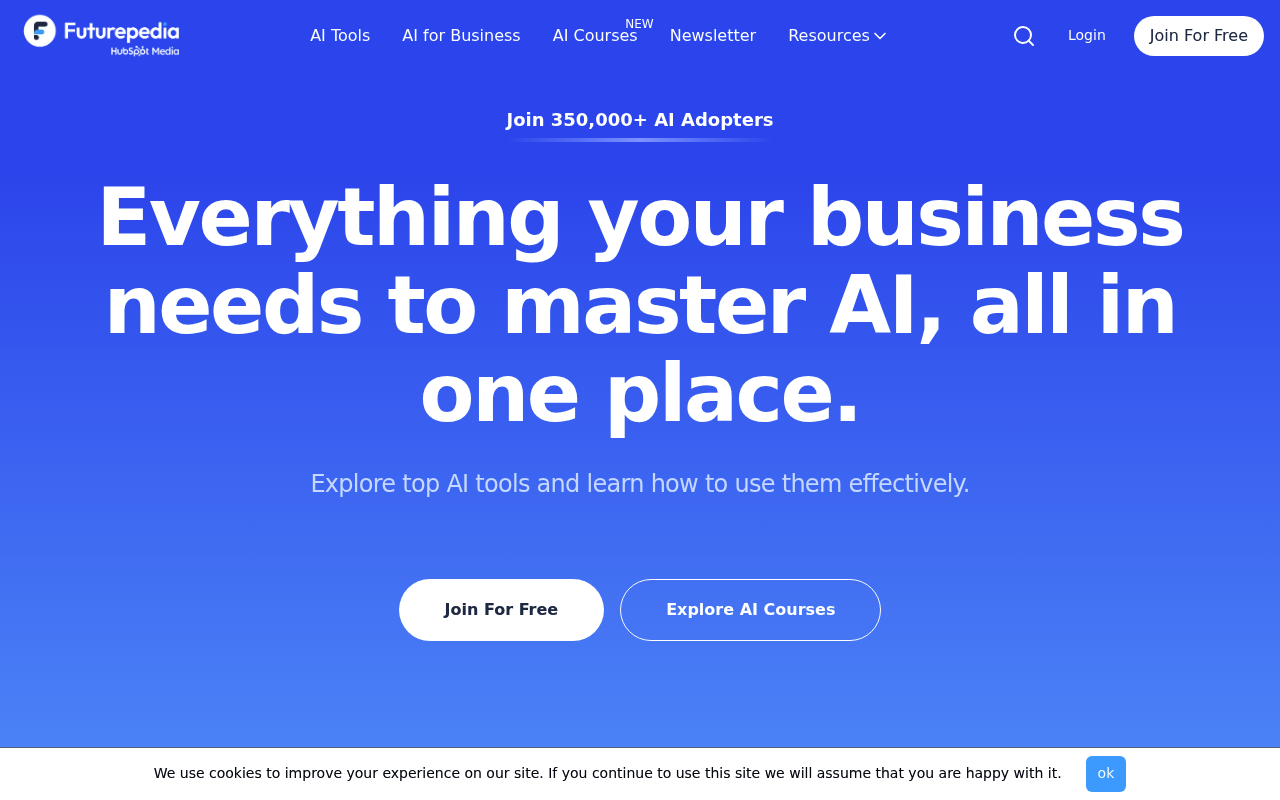
AI tool directory that has grown rapidly. If you're building an AI product, this is a must-list platform.
Pros
- Massive traffic for AI tools
- Strong SEO, ranks well on Google
- Active community of AI enthusiasts
Cons
- Only for AI products
- Paid features can be expensive
- High competition in AI space
Pricing: Free to list, paid for featured spots.
Best for: AI tools and products.
15. There's An AI For That
Another popular AI directory with strong Google rankings. Gets millions of visits from people searching for AI solutions.
Pros
- Very high traffic
- Strong Google rankings
- Users have high purchase intent
Cons
- AI-only
- Paid features required for visibility
- Crowded marketplace
Pricing: Free to list, paid for promotion.
Best for: AI products looking for maximum exposure.
16. G2
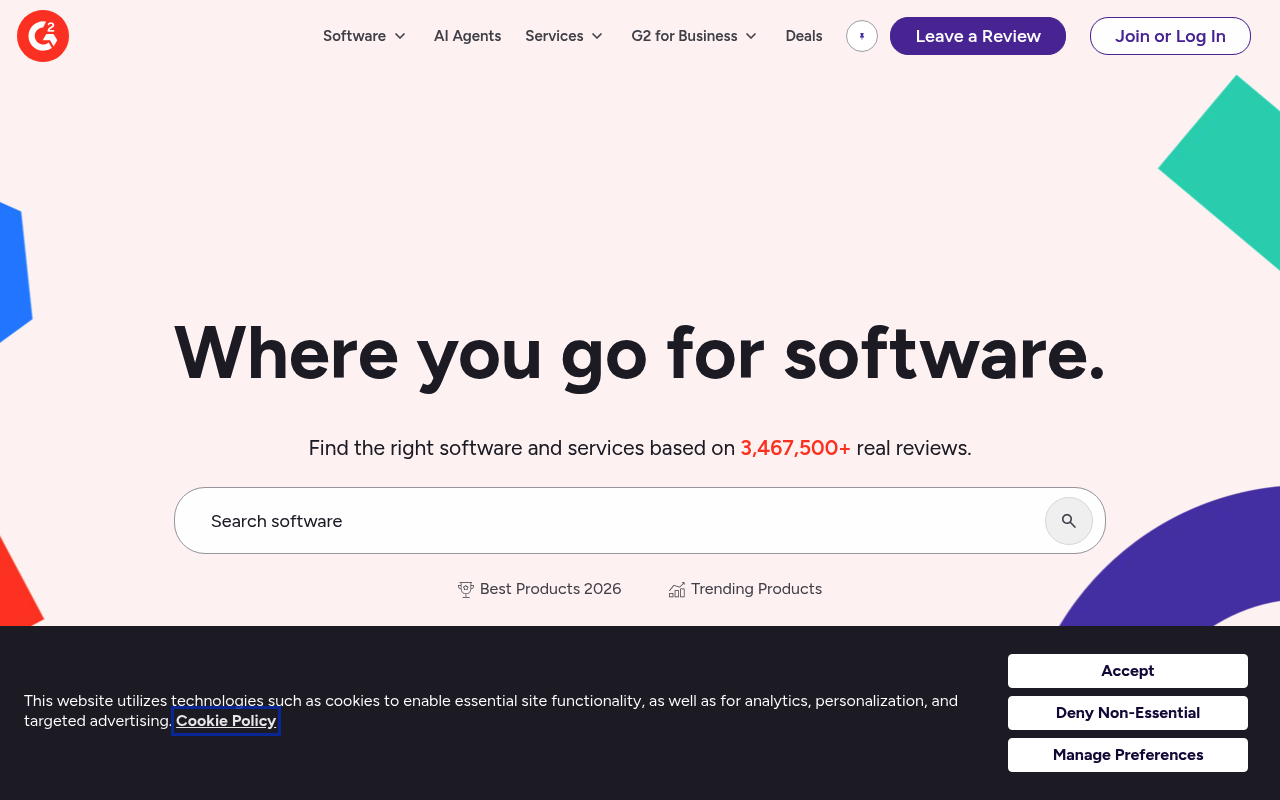
Enterprise software review platform. Important for B2B SaaS products looking to build social proof and capture buyers doing research.
Pros
- Trusted by enterprise buyers
- Strong SEO for software comparison searches
- Reviews build credibility
Cons
- Focused on B2B/enterprise
- Getting reviews takes effort
- Paid promotion is expensive
Pricing: Free to list, paid for enhanced profiles.
Best for: B2B SaaS products targeting enterprise customers.
How to Choose the Right Platform
Don't just pick one platform. Launch on several. Each platform reaches a different audience, and the more places your product appears, the more chances you have to connect with the right users. Here's a simple framework:
- For maximum visibility: Launch on Product Hunt + TinyLaunchpad + Hacker News
- For SEO benefits: List on TinyLaunchpad + SaaSHub + AlternativeTo + G2
- For developer tools: Launch on DevHunt + Hacker News + Reddit
- For AI products: List on Futurepedia + There's An AI For That + Product Hunt
- For indie makers: TinyLaunchpad + Indie Hackers + Twitter/X build-in-public
Want even more options? Check out LaunchDirectories.com which maintains a list of 100+ Product Hunt alternatives and launch platforms, making it easy to find the right places to submit your product.
Related Guides
Ready to launch your product? Launch on TinyLaunchpad . It's free to get started.